
Cosa vedere6 min read
Exploring Lecce's Historic Centre: A Guide to Baroque Wonders and Secret Courtyards
Discover the golden soul of the 'Florence of the South' through a curated walk among honey-colored limestone churches, hidden courtyards, and ancient gates.
by La Casita Lecce · Published · Updated
In brief
- Baroque architecture made from soft pietra leccese limestone defines the city's "Barocco Leccese" style, featuring intricate carvings.
- Major landmarks include the Basilica di Santa Croce, the enclosed Piazza del Duomo, and the massive Roman Amphitheatre.
- Historic gateways like Porta Napoli, Porta Rudiae, and Porta San Biagio serve as the primary entry points to the pedestrianized old town.
- Hidden courtyards, known as corti, offer a glimpse into communal local life and house boutique galleries and shops.
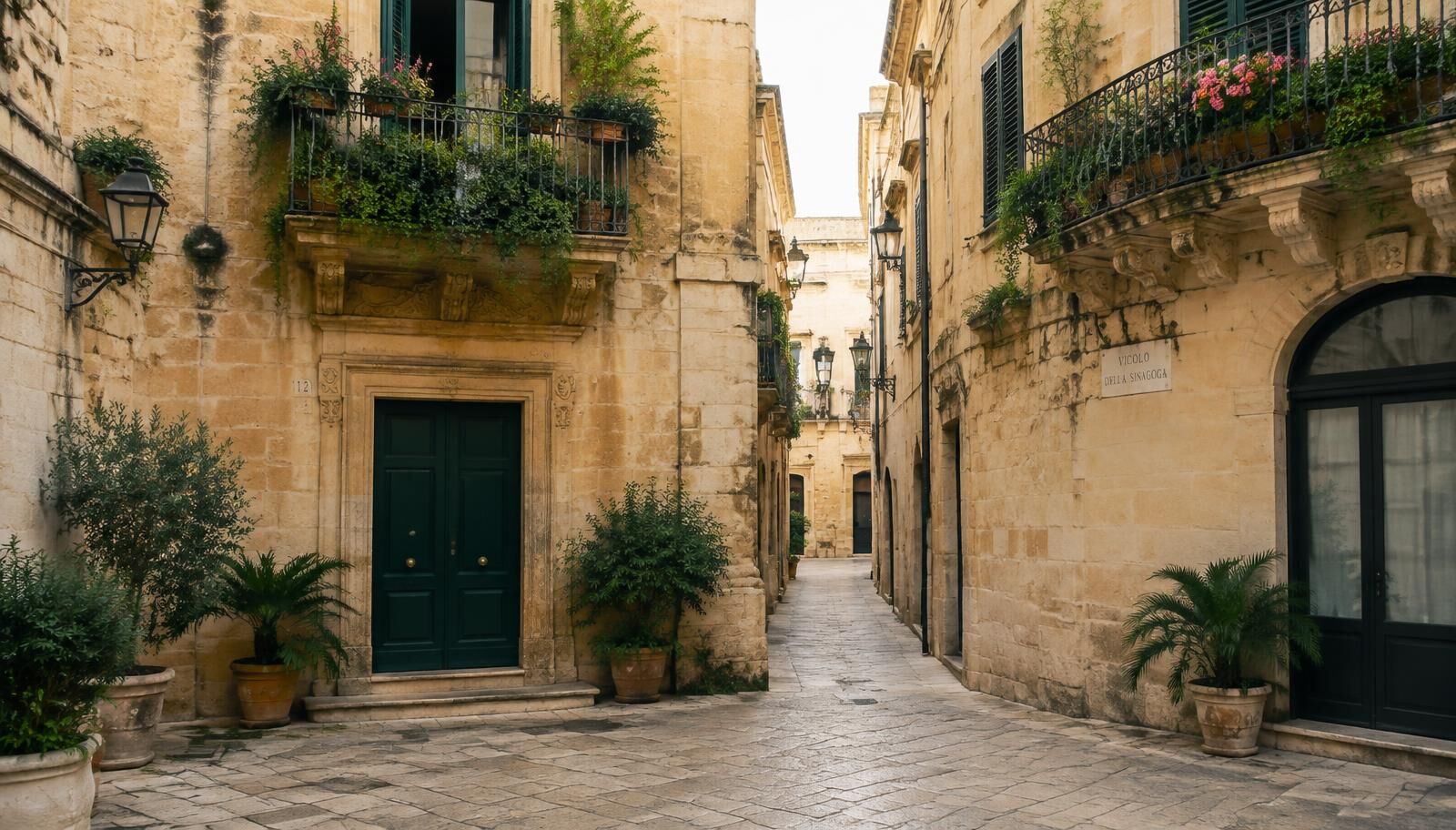
Walking through the historic centre of Lecce is less like a standard city tour and more like wandering through an open-air theatre. The city is built almost entirely from pietra leccese, a local limestone so soft and malleable that 17th-century sculptors were able to carve it into the most intricate, lace-like shapes imaginable. This unique architectural style, known as Barocco Leccese, defines every corner of the old town.
Whether you are visiting for a weekend or using the city as a base for exploring the nearby beaches, the heart of Lecce deserves a slow, deliberate pace to appreciate the details often hidden in plain sight.
The Three Gateway Doors: Entering the Past
The historic centre was once entirely enclosed by defensive walls. Today, three monumental gates remain, serving as the primary entry points for residents and visitors alike.
Porta Napoli
Located at the north-western edge, Porta Napoli is perhaps the most impressive. Built in 1548 in honor of Charles V, it resembles a triumphal arch. It faces the road that historically led to Naples, the kingdom's capital. Just a few steps from here, the atmosphere shifts from the modern city to the quiet, narrow lanes of the centro storico.
Porta Rudiae and Porta San Biagio
Porta Rudiae is the oldest and most ornate, topped with statues of the city’s patrons, including Sant'Oronzo. Porta San Biagio, on the southern end, leads directly into the more bohemian side of the centre, where small craft shops and local wine bars begin to appear. Navigating between these gates is the best way to orient yourself when you first arrive in Lecce.
The Spiritual Heart: Piazza del Duomo
While most Italian cathedrals sit in the middle of a bustling square, Lecce’s Piazza del Duomo is unique because it is a closed architectural space. Originally, the square had only one entrance, which was closed at night.
Standing in the centre of the square, you are surrounded by the Cathedral of Maria Santissima Assunta, the five-story Bell Tower, the Bishop’s Palace, and the Seminary. The North Facade of the Cathedral is a masterpiece of Baroque theatricality—it was designed to be more ornate than the main entrance because it is what visitors see first when entering the square.
Tip: Return to the Piazza at night. The lighting on the golden stone creates a magical, intimate atmosphere that is completely different from the daytime heat.
The Icon of the City: Basilica di Santa Croce
No visit to Lecce is complete without spending time in front of the Basilica di Santa Croce. After a massive restoration project completed a few years ago, the facade is now visible in all its blindingly white and gold glory.
Look closely at the balcony supported by telamones—you will see a menagerie of lions, griffins, and even Turkish prisoners. The rose window is one of the most photographed spots in Puglia. Inside, the sheer scale of the wooden ceiling and the side altars provides a cool refuge from the midday sun. Right next door is the Palazzo dei Celestini, which now houses government offices but features a courtyard that is well worth a quick peek.
Roman Ruins in a Baroque City
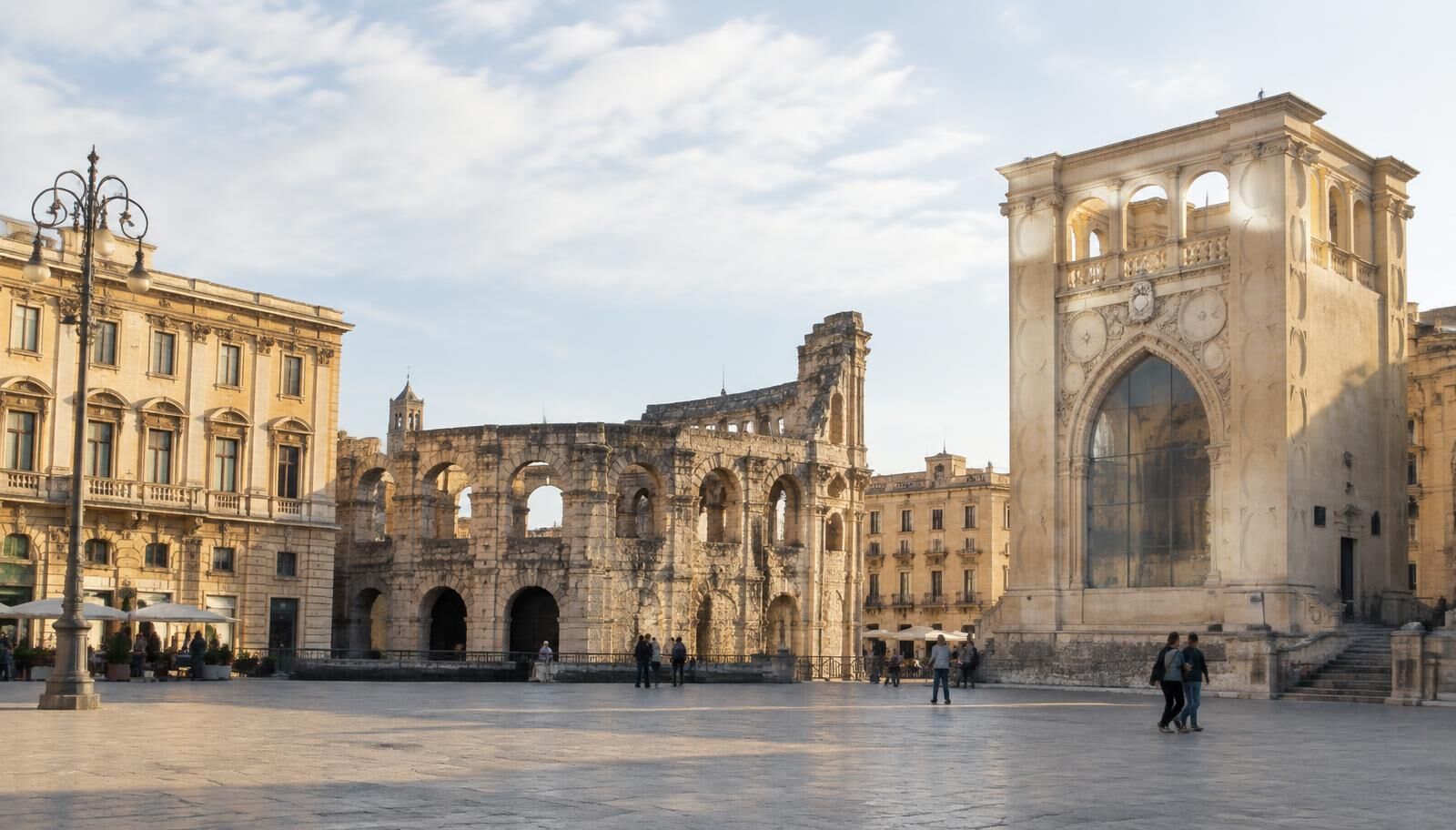
Lecce’s history goes much deeper than the 1600s. In the middle of the shopping district at Piazza Sant'Oronzo, you will find the Roman Amphitheatre. Discovered by accident in the early 1900s, it remains partially buried under the surrounding buildings.
Nearby, tucked away in the narrow Via dell'Arte della Cartapesta, is the smaller Roman Theatre. Because it is less crowded than the main amphitheatre, it offers a more tranquil spot to reflect on the city's ancient roots. If you are traveling with family, these ruins are often a highlight for children—for more tips, see our guide on visiting Lecce with kids.
The Hidden Life of Lecce: The 'Corti'
One of the most charming aspects of Lecce is its corti (internal courtyards). In the past, multiple families would share a single courtyard, which served as a communal living room.
While many are now private, many others have been converted into art galleries, boutique shops, or upscale residences. As you walk down Via Idomeneo or Via Palmieri, keep an eye out for open large wooden doors. A quick glimpse inside often reveals lush greenery, stone staircases, and a silence that feels miles away from the main tourist paths.
Where to Stay in the Historic Centre
To truly experience the soul of the city, staying within the old walls is essential. It allows you to wake up to the sound of church bells and wander the streets in the early morning before the day-trippers arrive.
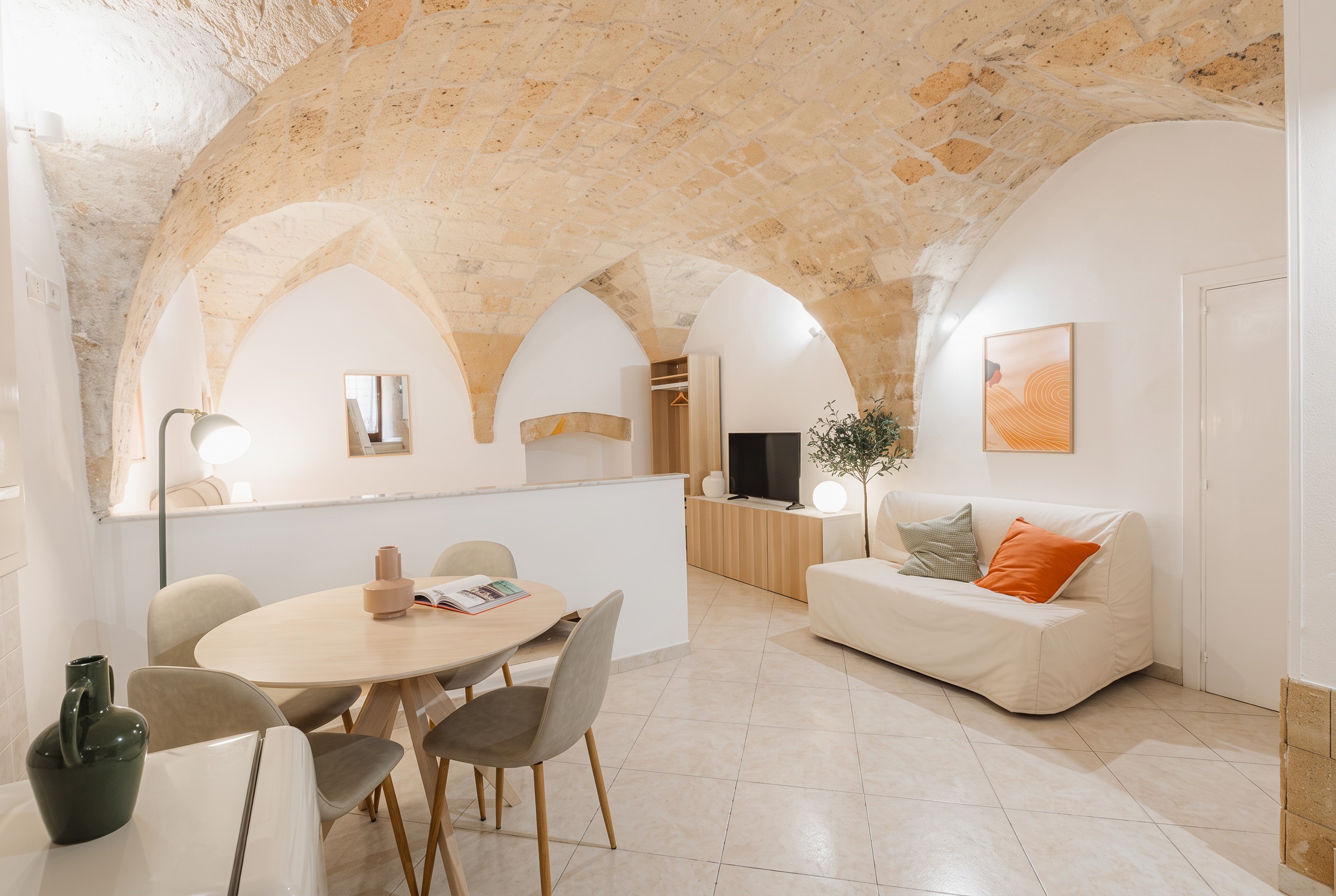
La Casita is a perfect example of traditional Leccese architecture, located in a quiet street near Porta Napoli. Featuring the classic high stone vaulted ceilings (volte a stella) that are typical of the region, it offers an authentic historic experience with the convenience of being within walking distance of all the major sites mentioned in this guide. Staying in the heart of the city means you are never more than a few minutes away from a great meal or a late-night gelato, making it the ideal base for your Salento adventure.
Frequently asked questions
What is the best way to enter Lecce's historic centre?
The best way to enter is through one of the three historic gates: Porta Napoli, Porta Rudiae, or Porta San Biagio. These monumental arches transition you from the modern city into the pedestrian-friendly limestone lanes of the old town.
What makes Lecce's Cathedral square unique?
Piazza del Duomo is unique because it is a closed architectural square, formerly sealed at night, rather than an open crossroads. It contains the Cathedral, a 5-story bell tower, and the Bishop’s Palace, creating an intimate courtyard feel.
Can you visit Roman ruins in Lecce?
Yes, Lecce is home to a large Roman Amphitheatre located in Piazza Sant'Oronzo and a smaller, more secluded Roman Theatre hidden nearby. Both date back to the Roman era and offer a sharp contrast to the city's dominant Baroque style.
Where should I stay to see the main sights in Lecce?
Staying within the historic walls near Porta Napoli or Via Palmieri is ideal for walking access to all major sites. Accommodations like La Casita offer traditional 'volte a stella' (star-vaulted) stone ceilings for an authentic Puglian experience.
- #Baroque Architecture
- #Piazza Duomo
- #Lecce Stone
- #Historic Centre
- #Puglia Travel Tips
- #Santa Croce
La Casita Lecce
Discover La Casita
An apartment with vaulted Lecce-stone ceilings in the heart of the old town, at Via Idomeneo 31C, a short walk from Porta Napoli. The ideal base to explore Lecce on foot.
You might also like
Cosa vedere7 min read
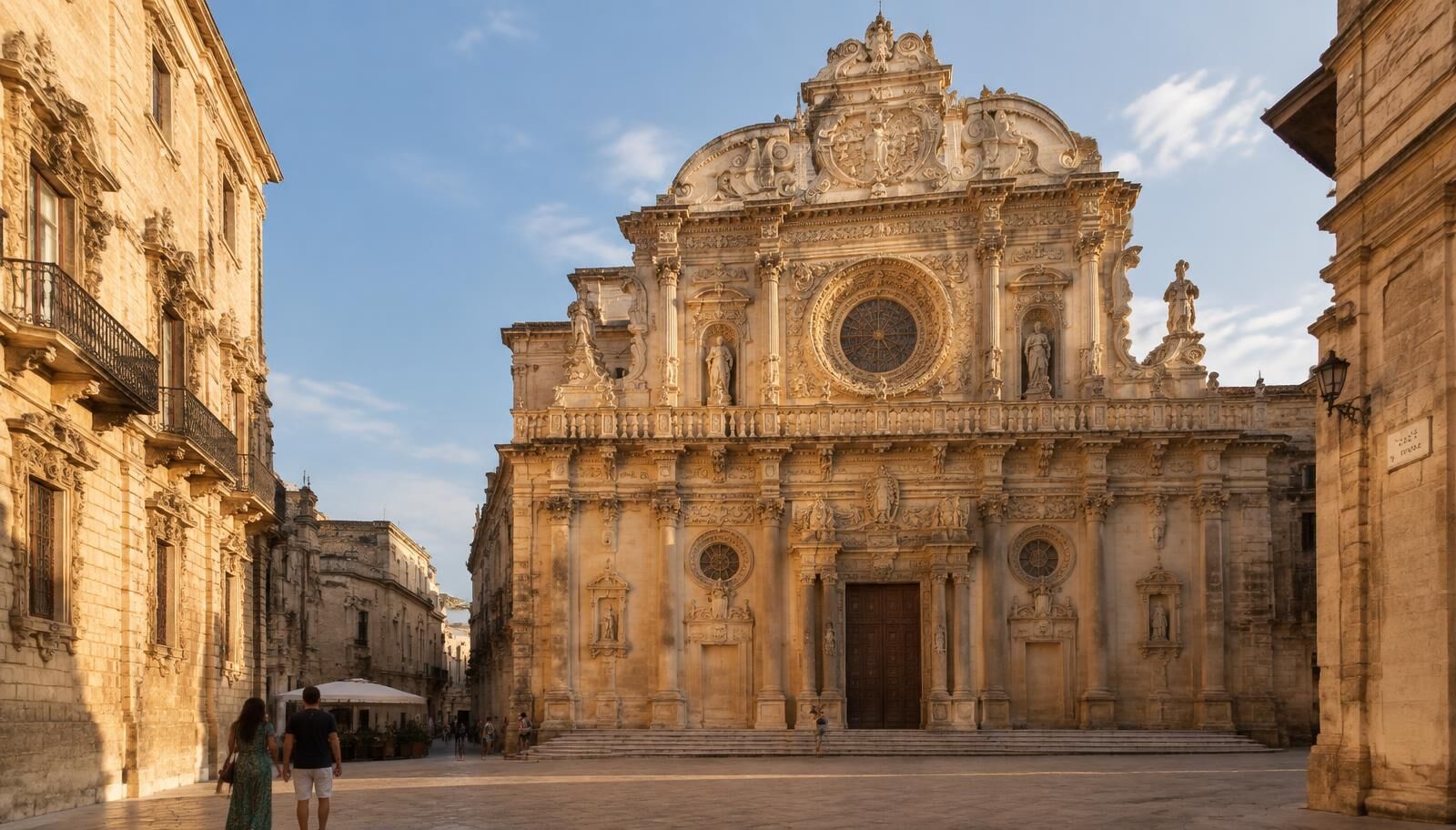
Exploring Lecce: A Complete Guide to the Florence of the South
Discover the golden baroque facades and ancient ruins of Lecce, from the intricate Santa Croce to the hidden history of the Museo Faggiano.
Cosa vedere7 min read
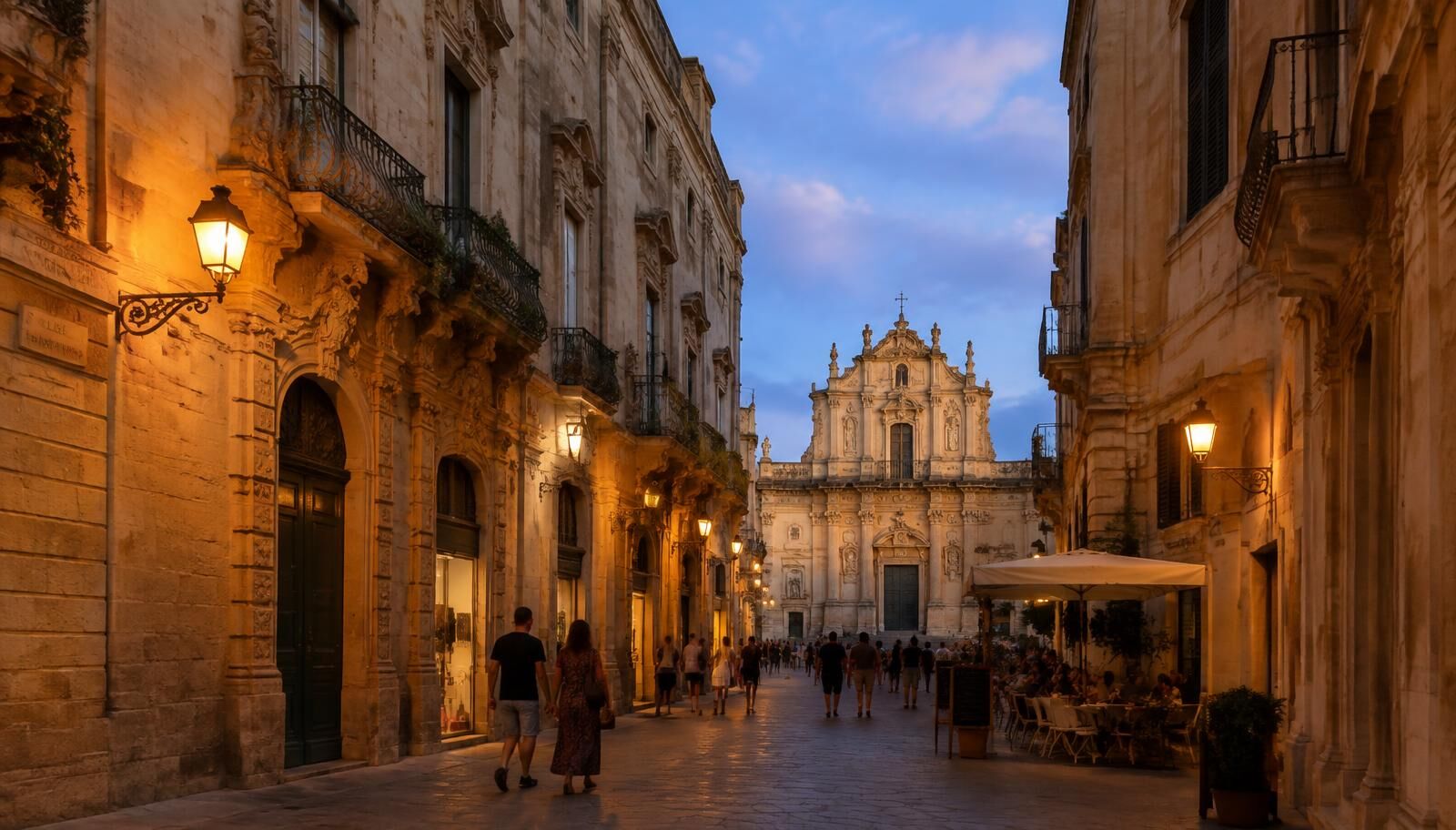
Lecce After Dark: A Local Guide to Evenings in the Baroque Capital
Discover the magic of Lecce at night, from the golden glow of its stone facades to the vibrant culture of the 'movida' in the heart of the historic centre.
Itinerari7 min read
Lecce in 2 Days: The Ultimate Weekend Itinerary
Experience the best of the 'Florence of the South' with our curated 48-hour guide, covering baroque masterpieces, hidden courtyards, and authentic Salentine flavors.
La Casita Lecce